
Live Three Card Poker Guide: Master the Table in Real Time
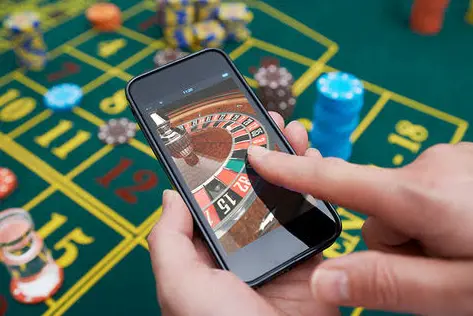
Live Three Card Poker represents a paradigm shift in digital table gaming, merging the tactile authenticity of a brick-and-mortar casino floor with the convenience of real-time remote play. Unlike RNG-based variants, this format streams a human dealer, physical cards, and a genuine felt table directly to your device via HD video feed. The result is a hybrid experience where Live Three Card Poker delivers the psychological pressure and social nuance of live play, alongside the speed and accessibility that modern players demand. 🎴
Core Mechanics and Hand Rankings Explained
The game is built on a straightforward yet strategically layered structure. Each player receives three cards, and the objective is to form a hand that outranks the dealer's. Hand rankings follow standard poker hierarchy: straight flush, three of a kind, straight, flush, pair, and high card. The critical decision point arises after viewing your cards — you must either fold or place a Play wager equal to your Ante. This binary choice is where Live Three Card Poker separates skilled players from casual participants. The dealer must qualify with a Queen-high or better; if not, your Ante pays even money and your Play bet pushes. This qualification rule fundamentally shapes optimal strategy and risk assessment.
Optimal Strategy and the Mathematics of Decision-Making
Mathematical analysis reveals that the house edge in Live Three Card Poker is approximately 3.37% when using optimal strategy. The pivotal rule is simple: play any hand of Queen-6-4 or higher. This threshold maximizes expected value across millions of simulated hands. Folding below this benchmark and raising above it reduces the house advantage to its theoretical minimum. Advanced players also consider the Pair Plus side bet, which pays independent of the dealer's hand. The Pair Plus wager carries a higher house edge of roughly 7.28%, making it a secondary consideration for bankroll-conscious players. 🧠

Live Dealer Technology and Table Dynamics
The live dealer infrastructure behind these games involves multi-camera setups, RFID-enabled card shoes, and low-latency streaming protocols. This technology ensures transparency and prevents card counting or shuffle tracking. Players can observe every card as it leaves the shoe, verifying the integrity of each deal. Table limits vary significantly across operators, with some platforms offering micro-stakes starting at $1 and VIP tables reaching $5,000 per hand. The social dimension is equally important — chat functions, dealer interaction, and real-time betting timers replicate the cadence of a physical casino pit.
Bankroll Management and Session Volatility
Live Three Card Poker exhibits moderate volatility compared to multi-deck blackjack or video poker. A standard deviation analysis suggests that players should allocate at least 40 to 60 Ante units per session to withstand natural downswings. The game's fixed odds and independent trials mean that past outcomes have no predictive value. Chasing losses through increased Play bets is statistically detrimental. Disciplined players set stop-loss and stop-win thresholds before joining a table, treating each session as a discrete event. The live format's slower pace — approximately 40 to 60 hands per hour — actually supports more measured bankroll management than rapid-fire digital variants.
Psychological Elements and Table Presence
One of the most compelling aspects of Live Three Card Poker is the psychological pressure of visible decision-making. When you fold, the dealer and other players see your action. When you raise, you commit publicly to your hand's strength. This transparency creates a level of engagement that RNG games cannot replicate. Experienced players develop a rhythm — reading dealer tendencies, noting table momentum, and managing their emotional state during losing streaks. The live format rewards composure and punishes impulsivity, making it an ideal training ground for serious table game enthusiasts. 😤
The evolution of Live Three Card Poker continues with innovations like multi-seat betting, side bet variations, and integration with mobile wallets. Operators are investing heavily in studio quality, dealer training, and connection stability to attract high-value players. For those seeking a genuine casino atmosphere without leaving home, this format delivers a compelling blend of strategy, chance, and real-time human interaction.