
The Anatomy of a Live Casino Shoe and Card Randomization
Live dealer operations rely on a physical card shoe integrated with optical sensors and RFID tracking to capture every card value in real time. A standard eight-deck shoe is shuffled using an automated shuffling machine or a pre-shuffled sealed deck to eliminate manual bias. The shoe feeds cards through a scanner before the dealer presents them, ensuring the card value is registered instantly for the software engine. 🎴 This process guarantees that live casino card dealing remains auditable, fair, and resistant to manipulation, which is essential for maintaining player trust and regulatory compliance across licensed jurisdictions.
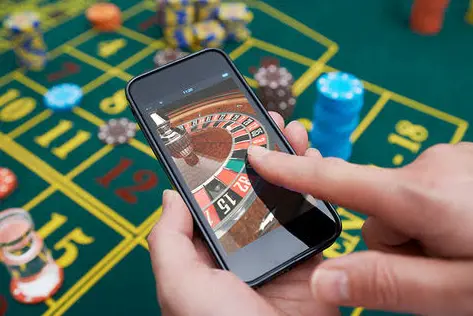
Dealer Protocol and the Physical Dealing Motion
The dealer follows a strict choreography: removing the top card, sliding it across the felt, and positioning it face-up for the camera. Quantum dealers are trained to deal from the shoe with consistent speed, and their hand movements are monitored by pit bosses and surveillance systems. Each card is dealt in a precise sequence determined by the game variant, whether it is baccarat, blackjack, or poker. The dealer announces the total and signals the software to update the betting interface. This synchronized routine ensures that live casino card dealing mirrors land-based casino standards while streaming to thousands of players simultaneously. ♠️
Optical Recognition and Data Synchronization
Embedded cameras and infrared sensors read each card's suit and rank the moment it leaves the shoe. The data is transmitted to the game engine with sub-second latency, allowing the result to appear on players' screens before the dealer even finishes the hand. This dual verification—physical card plus digital scan—creates a redundant audit trail. If a discrepancy occurs, the system flags the round for manual review. High-stakes tables often employ multiple redundant scanning systems to eliminate any possibility of error or fraud. The precision of this synchronization is what makes live casino card dealing both transparent and legally defensible.

Random Number Generation vs. Physical Shuffling
Unlike RNG-based digital tables, live dealer games use actual physical cards, but the shuffle itself may be aided by a random number generator to determine deck order before the shoe is loaded. This hybrid approach combines the tangibility of felt and card stock with the unpredictability of algorithmic seeding. Providers publish shuffle certificates and allow third-party auditors to inspect the shoe and shuffler. The result is a dealt card sequence that cannot be predicted by players, dealers, or the platform itself. 🎲
Game-Specific Dealing Variations and Rule Sets
Blackjack requires the dealer to deal clockwise starting from the player's left, with hole cards placed face-down in some variants. Baccarat follows a fixed drawing schedule based on the tableau, and the dealer has no discretion in whether to draw a third card. Poker variants like Casino Hold'em deal community cards in a burn-and-turn sequence. Each game's dealing protocol is hard-coded into the dealer's workflow and reinforced by the software interface. Understanding these nuances is critical for players who want to exploit rule-based edges or simply appreciate the craftsmanship behind every hand.
Latency, Streaming Integrity, and Player Verification
Streaming latency directly impacts how players perceive the fairness of the deal. A delay between the physical card flip and the on-screen update can create suspicion, so providers optimize video encoding and edge server distribution. Players can also request hand history logs that include timestamps and card values. Some jurisdictions mandate that the dealt card sequence be stored for a minimum period to resolve disputes. The entire chain—from shuffle to scan to stream—is designed to withstand regulatory scrutiny and player skepticism alike.