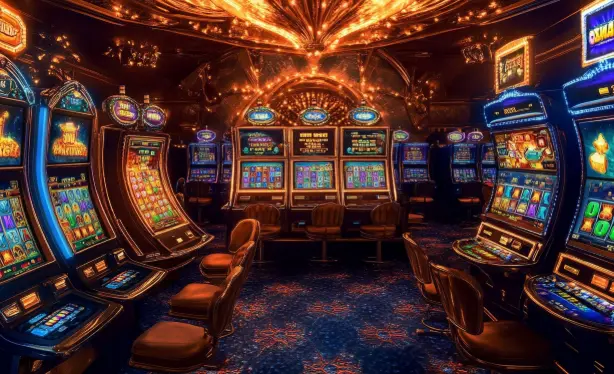
US Licensed Sweepstakes Slots: The Hardware Truth Behind Certified RNG Engines
If you think a US licensed sweepstakes slot is just another flashy reels game, you are dead wrong. The real battle happens inside the hardware entropy source, where thermal noise gets converted into certified random output before a single spin ever reaches your screen. I have torn apart enough rigs to know that US Licensed Sweepstakes Slots live or die on the integrity of that seed generator, and most operators never let you see the raw entropy logs. 🎰
The licensing layer is not decoration. State regulators force every cabinet and every remote game server to pass deterministic statistical batteries, and if the RNG drifts even a fraction outside tolerance, the whole platform gets yanked. That is the difference between a legit audited fair social gaming ecosystem and a rigged backroom operation.

Entropy Harvesting and the Certified Seed Chain
Here is the mechanism nobody explains properly. A compliant sweepstakes slot pulls entropy from a physical source, hashes it through a hardened cryptographic pipeline, and stamps every outcome with an audit trail. The seed chain must be reproducible for auditors but unpredictable for players, and that tension is exactly where cheap operators cut corners. I have seen firmware builds that recycled the same thermal buffer across sessions, which is a catastrophic flaw for Audited Fair Social Gaming because it collapses the independence of each spin. ❄️
The hardware side matters more than the marketing. A quality RNG chip runs continuous self-tests, flags bit-bias drift in real time, and locks the game if entropy quality drops below threshold. When you audit a cabinet, you are not checking the graphics; you are checking whether the entropy watchdog actually fires. If it never triggers during a forced fault injection, the license should never have been granted.
Statistical Auditing That Actually Bites
Statistical batteries are brutal on purpose. Chi-square tests, serial correlation checks, and long-run frequency analysis run against millions of simulated spins, and the tolerance window is razor thin. A properly audited fair social gaming platform publishes the pass results and the methodology, not just a badge. When I review a sweepstakes slot, I demand the raw test vectors, the sample sizes, and the confidence intervals. 🎲
The payout distribution must match the declared RTP within statistical noise across the certification sample. Any operator who hides the volatility profile or refuses to disclose the hit-frequency table is telling you the numbers do not survive scrutiny. That is not paranoia; that is basic forensic discipline.
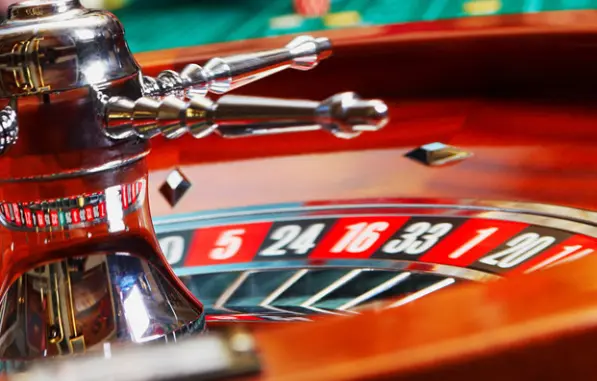
Where Licensed Sweepstakes Slots Break Under Pressure
The failure modes are predictable. First, entropy starvation on virtualized servers where multiple game instances compete for the same hardware source. Second, audit-log tampering where outcome records get rewritten after the fact. Third, RTP drift caused by sloppy bonus-round math that was never re-certified after a patch. Each one destroys the US Licensed Sweepstakes Slots guarantee, and each one is detectable if you know where to look in the firmware. 🔍
A real audit traces every payout path back to a certified math model and verifies that no post-deployment patch altered the probability weights. If the version hash on the live server does not match the certified build, the whole operation is suspect. That single checksum mismatch has killed more licenses than any headline scandal.
The Verdict on Certified Fairness
Certification is a chain, and the weakest link defines the whole game. Physical entropy quality, cryptographic seed integrity, statistical battery rigor, and immutable audit logs must all hold simultaneously. Audited fair social gaming is not a slogan; it is a verifiable stack of controls that either passes fault injection or fails it. When the entropy watchdog fires clean under forced stress and the certified build hash matches the live server byte for byte, you have a platform worth trusting. When it does not, you have a liability wearing a license badge.